


The Best Guide to Choosing Furniture Colors in 2024
In the ever-evolving landscape of interior design, colors play a pivotal role in transforming spaces from mundane to magnificent. From the timeless allure of monochrome to the vibrant hues of Villa chic, the choices are endless, and creativity knows no bounds. At TUKA, we are passionate about the interplay of colors in furnishings, and our team of interior experts is dedicated to unraveling the secrets behind crafting visually stunning and harmonious interiors. Join us as we delve deeper into the world of colors, exploring combinations, decoding color theory, and offering expert tips to elevate your home décor game.
Furnish your home with ease – explore our complete furniture packages today!
Understanding Color Combinations
The cornerstone of any successful color scheme is understanding how different hues interact with each other. Here’s a breakdown of some classic color combinations that never fail to impress:
1. White: The Versatile Canvas
White serves as the perfect canvas for experimenting with colors. Its neutrality allows it to complement any hue effortlessly, bringing balance and harmony to a space. Whether paired with rich greens, bright blues, or cool yellows, white serves as the anchor, lending a sense of tranquility to the room.
2. Warm Tones: Red, Yellow, and Orange
Red, yellow, and orange are powerful, warm colors that inject energy and vitality into any space. When paired with light neutrals such as cream or metallics, these hues exude freshness and vibrancy. For the bold at heart, consider color-blocking with combinations like bright pink and strong orange for an avant-garde aesthetic.
3. Neutral Classics: Gray, Beige, and Black
Gray, beige, and black are the timeless classics of interior design. These muted tones form the foundation of a monochromatic palette and serve as the perfect backdrop for pops of color. Introduce splashes of your favorite hues through decorative accents like cushions, wall art, or vases to create visual interest without overwhelming the space.
4. Purple Hues: From Lilac to Wine Red
Purple hues, ranging from delicate lilacs to deep wine reds, add a touch of sophistication and luxury to any interior. These colors, born from the marriage of red and blue, offer a myriad of shades to choose from. Whether used sparingly as accents or embraced fully for a bold statement, purple hues lend an air of elegance to any space.
Delving into Color Theory
To truly master the art of decorating with colors, it’s essential to understand the principles of color theory. Here are two key concepts to guide you along your journey:
1. Primary Colors: The Building Blocks of Color
Yellow, blue, and red are the primary colors from which all other hues are derived. Understanding the properties of these foundational tones allows you to create endless color combinations and harmonies.
2. Complementary Colors: Finding Balance
Complementary colors are pairs that sit opposite each other on the color wheel. When combined, they create a sense of balance and harmony, with the most famous example being blue and yellow. By leveraging complementary colors in your design scheme, you can achieve a visually striking and cohesive look.
Choosing the Right Colors for Each Room
Now that you’ve grasped the fundamentals of color theory, it’s time to put your knowledge into practice. Here’s how to choose the perfect color palette for every room in your home:
1. Bedroom: Creating a Serene Retreat
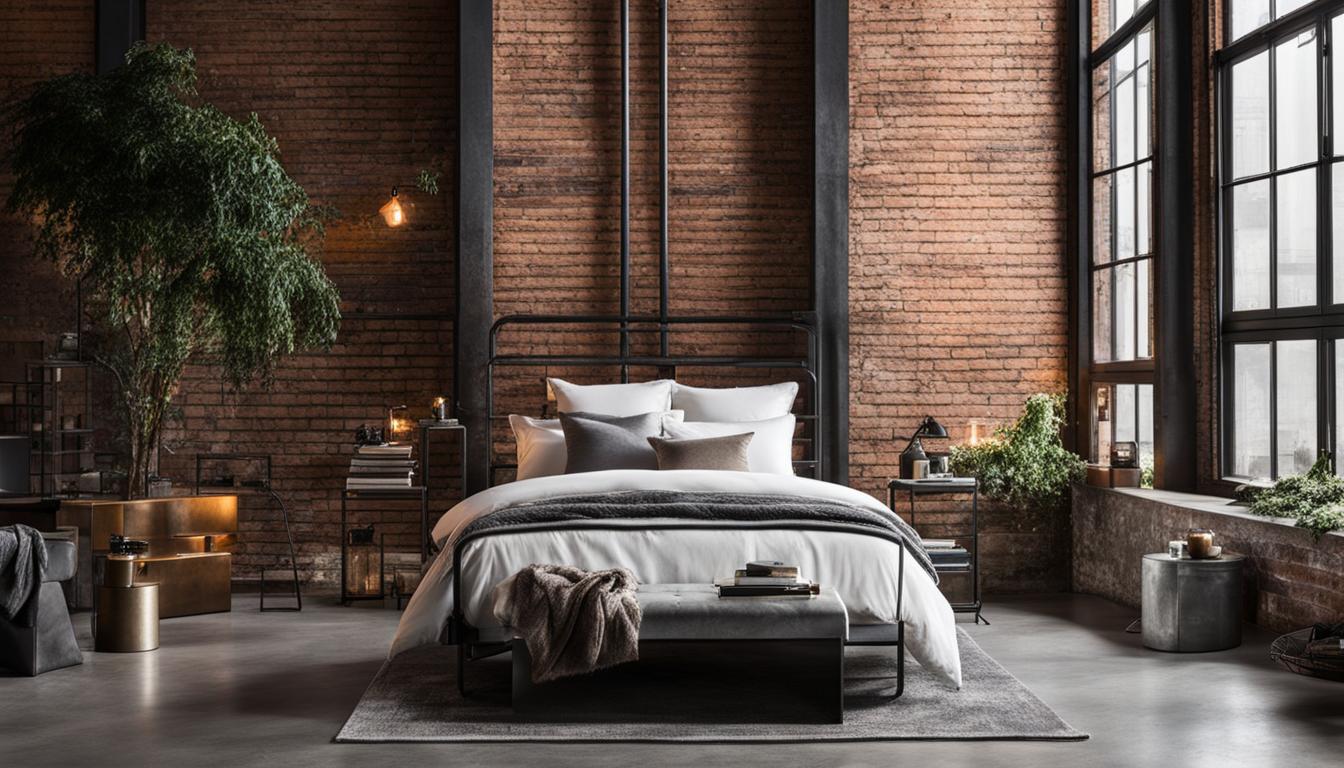
The bedroom is a sanctuary for rest and relaxation, making calming and muted colors the ideal choice. Stick to classics like cream, white, and gray, and introduce subtle pops of color with soft pastels such as light blue, pink, or lilac. These soothing hues create a tranquil environment conducive to a good night’s sleep.
2. Living Room: Striking the Right Balance
In the living room, strike a balance between elegance and comfort with a sophisticated color palette. Opt for neutral tones like beige and taupe as the foundation, and layer in accents of color with decorative elements like throw pillows, rugs, and artwork. Experiment with shades of blue, green, or even muted yellows to add personality and warmth to the space.
3. Kitchen: Infusing Energy and Vitality
The kitchen is the heart of the home, where friends and family gather to cook, eat, and socialize. Infuse this space with energy and vitality by incorporating bold splashes of color. From vibrant reds and oranges to sunny yellows, don’t shy away from making a statement. Consider painting an accent wall or adding colorful accessories like bar stools or pendant lights to inject personality into the room.
4. Dining Room: Setting the Mood
In the dining room, set the mood for memorable meals with a thoughtfully curated color scheme. Opt for warm, inviting tones like earthy browns or deep burgundies to create an intimate atmosphere. Pair these hues with rich textures and finishes for a touch of luxury, and don’t forget to add ambient lighting to enhance the dining experience.

Tips for Tastefully Integrating Color
While experimenting with color can be exhilarating, it’s important to approach it thoughtfully to avoid overwhelming your space. Here are some tips for tastefully integrating color into your home:
- Start Small: If you’re hesitant about committing to a bold color scheme, start small with accessories like throw pillows, rugs, or artwork. These items can easily be swapped out or rotated seasonally to keep your décor fresh and exciting.
- Consider the Mood: Think about the mood you want to evoke in each room and choose colors accordingly. Soft, soothing hues are ideal for spaces meant for relaxation, while vibrant tones can energize and invigorate social areas.
- Play with Contrast: Experiment with contrasting colors to create visual interest and drama. Pairing light and dark shades or warm and cool tones adds depth and dimension to your décor, making it more dynamic and engaging.
- Embrace Patterns: Don’t be afraid to incorporate patterned fabrics or wallpapers into your design scheme. Patterns add texture and personality to a space, and they can be a great way to introduce multiple colors in a cohesive way.
Your Colorful Journey Awaits
As you embark on your journey to revitalize your home with color, remember that the possibilities are endless. Whether you prefer the timeless elegance of neutrals or the bold allure of vibrant hues, there’s a color palette to suit every taste and style. By understanding the principles of color theory and experimenting with different combinations, you can create a space that reflects your unique personality and inspires joy and creativity every day.
For more inspiration, tips, and ideas, explore our collection of articles here at TUKA. From color pairing guides to styling tutorials, we’re here to help you transform your house into the home of your dreams. Happy decorating!


 scale(.042)'%3E%3Cpath fill='%23fff' d='M204.5 6.5C101.4 6.5 0 74.9 0 185.6 0 256 39.6 296 63.6 296c9.9 0 15.6-27.6 15.6-35.4 0-9.3-23.7-29.1-23.7-67.8 0-80.4 61.2-137.4 140.4-137.4 68.1 0 118.5 38.7 118.5 109.8 0 53.1-21.3 152.7-90.3 152.7-24.9 0-45.6-18-45.6-43.8 0-37.8 26.4-74.1 26.4-113.1 0-66.2-93.9-54.2-93.9 25.8 0 16.8 2.1 35.4 9.6 50.7-13.8 59.4-42 147.9-42 209.1 0 18.9 2.7 37.5 4.5 56.4 3.4 3.8 1.7 3.4 6.9 1.5 50.4-69 48.6-82.5 71.4-172.8 12.3 23.4 44.1 36 69.3 36 106.2 0 153.9-103.5 153.9-196.8C367.5 71.6 294.5 6.5 204.5 6.5z'/%3E%3C/g%3E%3C/svg%3E)
